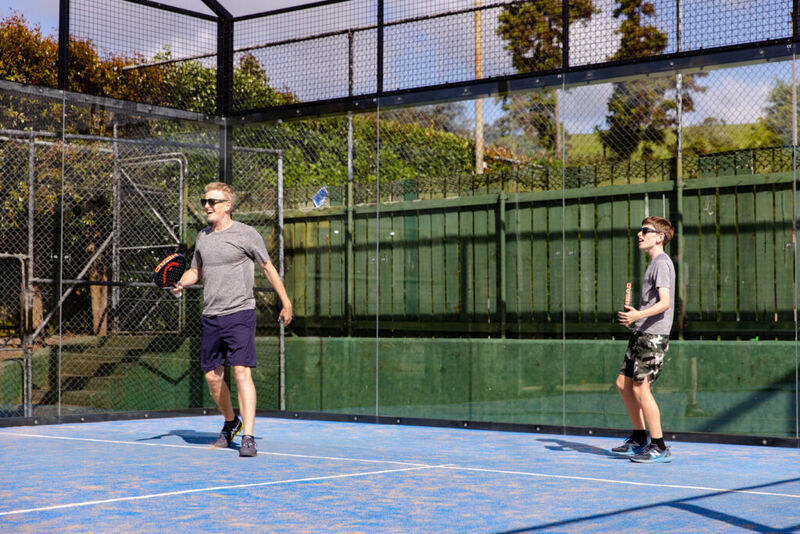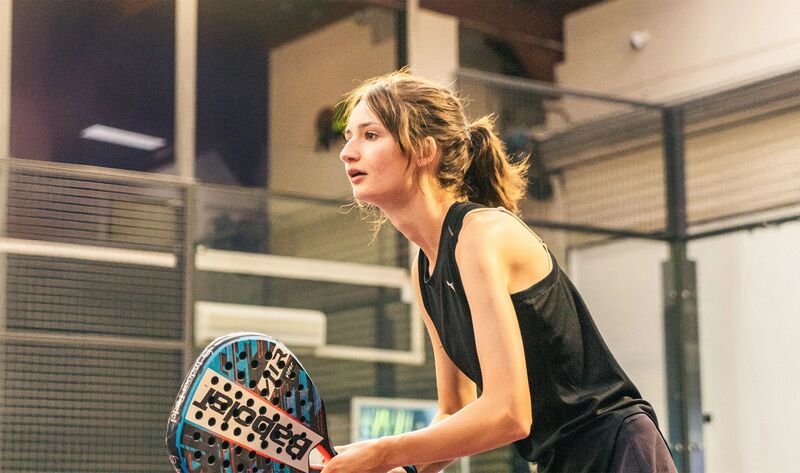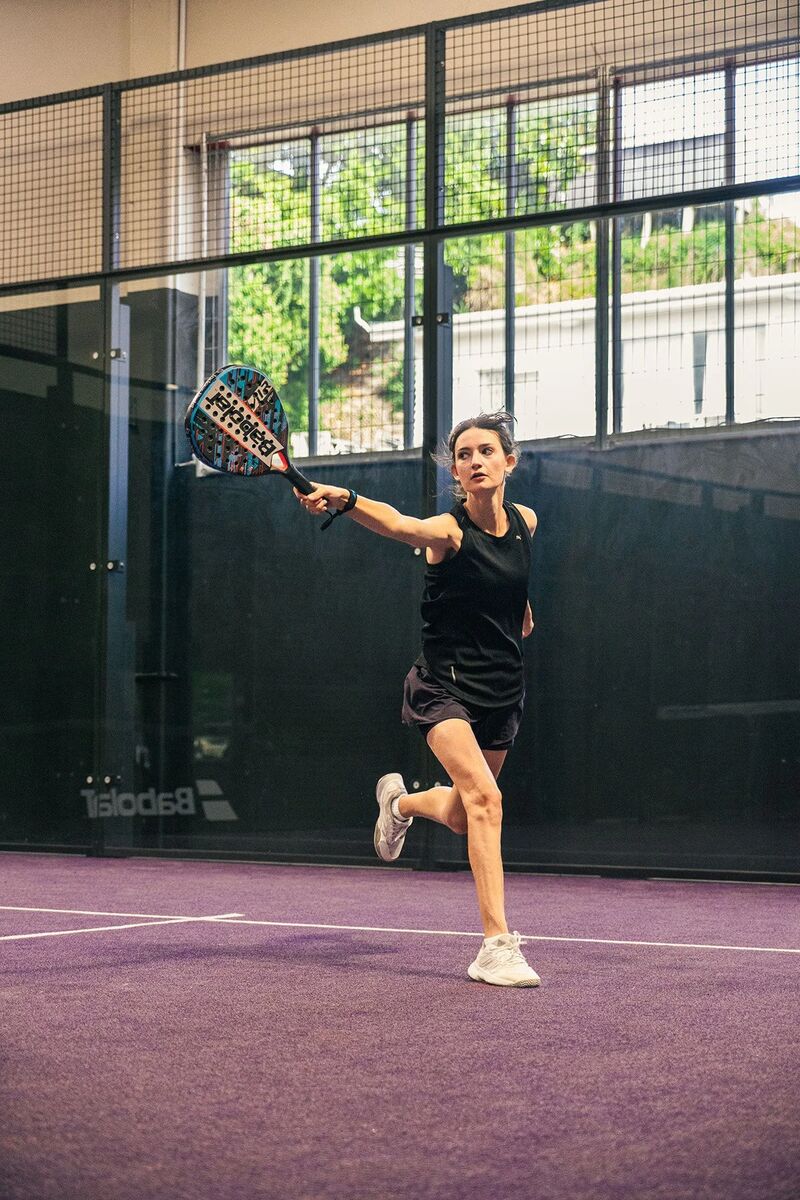
Women are driving padel growth in New Zealand. Female participation rates match or exceed male participation at most venues, and women consistently rank the sport higher for enjoyment and social connection. Here's how women are shaping padel's future in this country.
The Numbers Tell the Story
Unlike many sports where female participation lags behind male involvement, padel shows remarkable gender balance. Auckland venues report 45-50% female participation, while some Wellington and Christchurch clubs actually see more women than men during certain time slots.
This balance isn't accidental. Padel's design elements — social format, accessible entry level, non-intimidating environment — appeal particularly strongly to women who might be put off by more aggressive or solitary sports.
Women-only sessions at clubs consistently book out faster than mixed sessions, indicating strong demand for female-focused padel opportunities. These sessions often become launching pads for mixed play as confidence builds.
Why Women Love Padel
Immediate Accessibility
The underhand serve eliminates the technical barrier that makes tennis frustrating for many women starting racket sports later in life. Women can enjoy rallies and competitive play from their first session, creating positive early experiences that encourage continued participation.
The enclosed court feels psychologically safer than open courts where beginners might feel exposed or judged. This contained environment allows women to learn without feeling self-conscious about their technique.
Social Connection
Women consistently rate the social aspects of padel as primary motivators for continued play. The doubles format creates natural conversation and teamwork, while post-match socializing provides meaningful connection in busy lives.
Many women describe their padel sessions as essential social time that combines fitness, friendship, and stress relief. This holistic benefit package appeals strongly to women balancing multiple life demands.
Inclusive Culture
New Zealand padel culture emphasizes inclusion and support over intimidation and aggression. Women report feeling welcomed at venues, encouraged by other players, and comfortable asking questions or requesting advice.
Mixed gender play is normalized rather than exceptional. Women and men regularly partner together and compete on equal terms, creating a more egalitarian sport environment than many traditional activities.
Female Role Models
International Inspiration
Professional padel features strong female role models. Players like Ale Salazar, Marta Ortega, and Gemma Triay demonstrate the highest levels of athletic skill and tactical sophistication, inspiring women globally.
The professional tours provide equal prize money and equal media coverage for men's and women's events — unusual in global sport and important for setting cultural expectations.
Local Leaders
New Zealand is developing its own female padel leaders. Women coaches, tournament organizers, and club managers are shaping the sport's growth and ensuring inclusive development.
Female players who started early in New Zealand's padel development now mentor newcomers, creating positive feedback loops that encourage sustained female participation.
Women-Specific Programs
Auckland Initiatives
Pacific Padel Albany: "Ladies' Mornings" twice weekly featuring coaching, social play, and coffee afterwards
Remuera Rackets Club: Women-only league nights with multiple skill divisions
Browns Bay Padel: Mother-daughter programs and women's social tournaments
Wellington Development
Wellington venues focus on workplace programs that appeal to professional women seeking lunchtime or after-work activities. Corporate group bookings often feature majority female participation.
Christchurch Growth
Christchurch clubs emphasize family-friendly programs where women play alongside children and partners, creating inclusive environments that fit into family schedules.
Breaking Down Barriers
Fitness Intimidation
Many women avoid gym environments due to intimidation or body image concerns. Padel courts provide judgment-free fitness where success is measured by enjoyment and improvement rather than appearance or comparison to others.
The focus on gameplay rather than physique creates psychological safety that encourages women who might avoid other sporting activities.
Time Constraints
Women often face competing demands from work, family, and household responsibilities. Padel's efficient format — meaningful exercise and social connection in 60 minutes — fits busy schedules better than longer fitness commitments.
The social element means women don't need separate time for friendship maintenance. Padel sessions accomplish multiple life goals simultaneously.
Technical Confidence
Padel's learning curve builds confidence quickly. Women see improvement session to session, creating positive reinforcement that sustains engagement. This contrasts with sports requiring extensive technical development before enjoyment begins.
Competitive Opportunities
Tournament Participation
Women's tournament divisions at New Zealand events consistently feature strong fields with competitive play across multiple skill levels. Female participation rates in tournaments often exceed male participation.
The tournament atmosphere emphasizes fun and community building rather than purely results-driven competition, appealing to women seeking challenging but supportive competitive environments.
League Competition
Women's leagues provide structured competitive development with social elements. Teams develop friendships that extend beyond match play, creating support networks that encourage continued participation.
Many leagues feature flexible formats that accommodate work and family scheduling challenges common among female participants.
Business and Leadership
Female Entrepreneurs
Women are establishing padel-related businesses in New Zealand, from coaching services to equipment retail. These businesses often emphasize inclusive, welcoming approaches that shape overall industry culture.
Female-led initiatives tend to prioritize community building and long-term participation over short-term profit, contributing to sustainable sport development.
Governance and Administration
Women hold leadership positions in New Zealand padel organizations, ensuring female perspectives influence policy, program development, and strategic planning.
This representation helps maintain the inclusive culture that makes padel appealing to women and families.
Health and Wellbeing Focus
Women consistently report mental health benefits from padel participation that extend beyond physical fitness. The combination of exercise, social connection, and mental engagement addresses multiple wellness needs simultaneously.
For women experiencing life transitions — career changes, relationship changes, family developments — padel communities provide stable social support and positive routine.
The sport offers stress relief without requiring perfect technique or competitive intensity, making it accessible during various life phases and stress levels.
Family Integration
Women often serve as family organizers for padel activities. Mother-daughter partnerships, family tournaments, and multi-generational play create opportunities for women to share sporting interests with family members.
This integration helps normalize female athletic participation for children while providing quality family time centered around active, healthy choices.
Future Growth
Female participation drives padel facility expansion in New Zealand. Venues recognize that women's consistent booking patterns and strong social networks create sustainable business models.
Women-specific programs and events consistently generate strong participation and positive word-of-mouth marketing, making female-focused initiatives attractive to club operators.
As padel expands into smaller New Zealand communities, women often serve as early adopters who introduce the sport to their social networks, accelerating local growth.
Building on Success
New Zealand women's padel success stems from creating inclusive environments that prioritize enjoyment, community, and personal development alongside competitive opportunities.
This foundation provides a model for continued growth that maintains padel's appeal to women while expanding access and opportunities across the country.
For women considering padel in New Zealand, the environment is welcoming, the community is supportive, and the opportunities are expanding rapidly. The sport provides an excellent platform for fitness, friendship, and personal challenge in a uniquely inclusive setting.
Last reviewed: March 2026