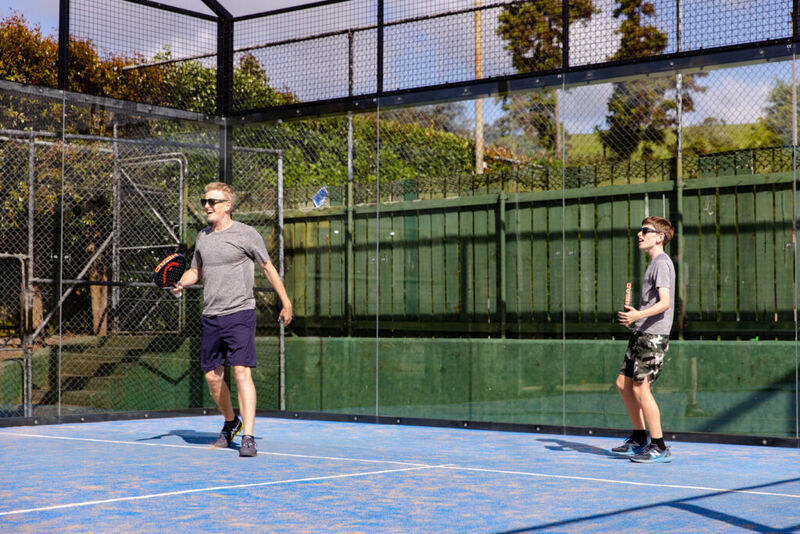
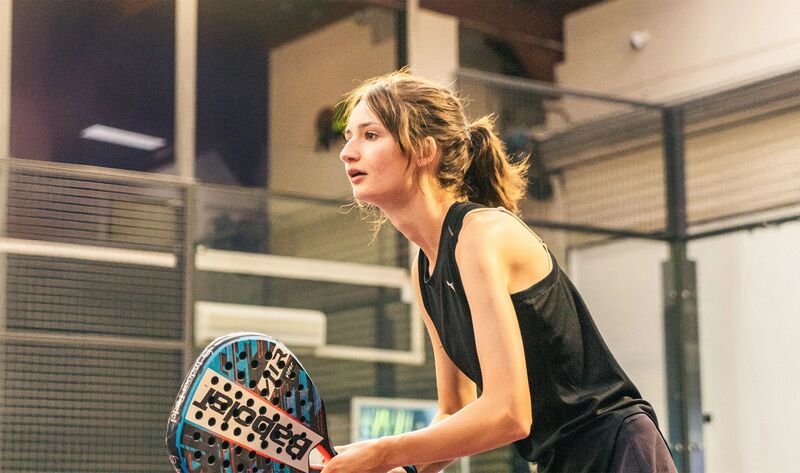
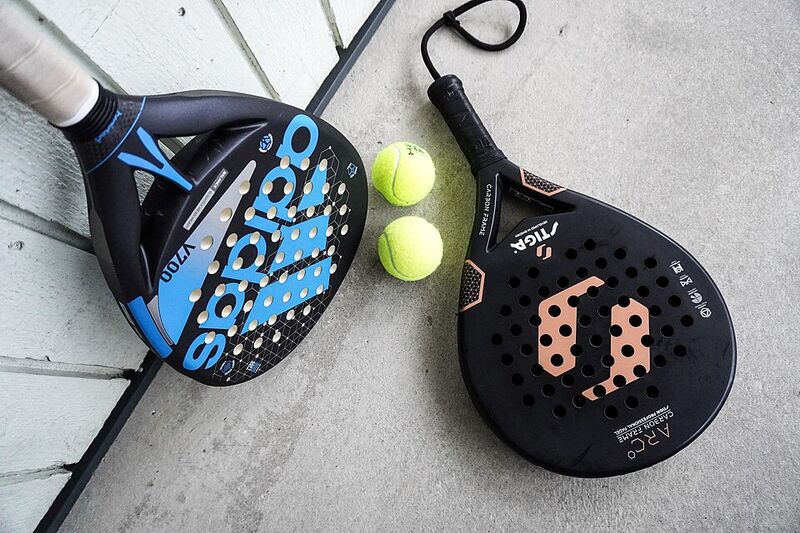
In a world of gym isolation and solitary running, padel offers something different: genuine social connection through sport. You can't play padel alone. You need three other people, and that requirement has created the most social sport in modern athletics.
Always Doubles, Always Social
Tennis can be singles or doubles. Squash is typically one-on-one. Running is often solitary. Padel is always doubles. You need exactly four people every time you play, and this fundamental requirement shapes everything about the sport's culture.
You can't just show up and hit balls against a wall. You must coordinate with three other human beings, arrange schedules, and show up for each other. This creates immediate accountability and social connection that other sports can't match.
The doubles format also ensures constant communication during play. You're talking with your partner about positioning, calling shots, celebrating good points together. These micro-interactions build relationships quickly.
The Post-Match Culture
Walk past any padel venue after evening matches and you'll see groups of players socializing over drinks or dinner. This isn't coincidence — it's built into padel culture globally.
The sport's Spanish and Argentine origins emphasized social interaction beyond the court. Players traditionally grab drinks after matches to discuss the games, plan future sessions, and simply enjoy each other's company.
This culture has transferred to New Zealand unchanged. Auckland venues report that 60-70% of evening players stay for post-match socializing. Compare this to tennis clubs where players typically leave immediately after matches.
Building Real Friendships
Other sports create acquaintances. Padel builds genuine friendships. The combination of teamwork during play, shared challenges, and regular social interaction creates deeper bonds than solo fitness activities.
Many players describe their padel connections as among their closest friendships. They attend each other's life events, provide support during difficult times, and maintain relationships that extend far beyond the court.
The WhatsApp groups that organize games become social networks. Players share life updates, ask for recommendations, offer help with moves or projects. These digital communities reflect real relationships formed through shared padel experiences.
Breaking Down Social Barriers
Padel creates connections across traditional social boundaries. Corporate executives play with tradespeople, young professionals team up with retirees, immigrants quickly integrate with established communities.
The sport's accessibility means socioeconomic differences matter less. Everyone struggles with wall shots initially, everyone celebrates good rallies, everyone appreciates improvement. Shared challenges create equality that translates to friendship.
For newcomers to cities or countries, padel provides instant social integration. Joining a local club WhatsApp group leads to immediate inclusion in a welcoming community.
Networking Through Play
Business networking events are often forced and artificial. Padel networking happens naturally through shared experiences and genuine interactions.
Many professionals report career opportunities arising from padel connections. Not through direct selling, but through relationships built during hundreds of hours playing together. Trust develops through sport in ways impossible in formal business settings.
The sport attracts ambitious, active people — exactly the professionals you want in your network. But unlike business mixers, these relationships form through shared fun rather than transactional exchanges.
Family and Couple Bonding
Padel enables genuine family participation across generations. Children, parents, and grandparents can play together meaningfully, creating family traditions and shared experiences.
Couples find padel provides quality time together with shared goals and challenges. Many describe it as "date night with exercise" — more engaging than movies, more fun than gym sessions.
Family tournaments and social events become celebrations that strengthen relationships while maintaining competitive elements everyone enjoys.
Inclusive by Design
Traditional sports often separate by age, gender, or ability. Padel's format encourages mixed play. Men and women regularly play together, age differences matter less, and skill levels can be balanced through partnerships.
The enclosed court creates psychological safety for people nervous about sports. You're not exposed on a massive field or visible to passing traffic. The contained environment feels supportive rather than intimidating.
Beginners are welcomed enthusiastically rather than merely tolerated. Experienced players remember their early struggles and actively help newcomers improve. This creates positive feedback loops that strengthen communities.
Mental Health Through Connection
Loneliness is a recognized public health crisis, particularly post-pandemic. Traditional gym workouts or solo running don't address social isolation. Padel provides genuine connection combined with physical exercise.
The sport demands presence and focus, providing natural breaks from phones, work stress, and daily anxieties. But unlike meditation or solitary mindfulness practices, this mental break happens through social engagement.
Regular players report improved mood, reduced anxiety, and better stress management. The combination of physical exercise, mental engagement, and social support creates comprehensive mental health benefits.
Community Building
Padel clubs develop into genuine communities with their own cultures, traditions, and support networks. Players organize social events, charity tournaments, and group trips to other venues.
These communities provide practical support during life transitions. Players help each other move house, provide career advice, offer childcare during emergencies. The relationships extend far beyond sport.
New venues often start with a few players who become the founding community. As numbers grow, these early adopters set the cultural tone and welcome newcomers into established social groups.
Digital Age Antidote
In an era of digital interaction and virtual relationships, padel offers authentic, in-person connection. You can't play through a screen or phone app. You must show up, be present, and interact with real people.
The sport attracts people seeking genuine human connection. Players often describe it as a relief from digital communication — real conversation, physical presence, shared experiences.
While technology helps coordinate games through WhatsApp and booking apps, the core experience remains fundamentally analog and human-centered.
Starting Your Social Journey
For people wanting to build social connections through padel:
- Join beginner group sessions rather than trying to organize private games initially
- Say yes to post-match social invitations, even if briefly
- Join venue WhatsApp groups and contribute positively
- Volunteer to help with club events or tournaments
- Be welcoming to newer players — pay forward the community spirit
The Ripple Effect
Padel's social benefits extend beyond individual players. Partners, families, and friends benefit from improved mental health, expanded social networks, and increased life satisfaction that comes from genuine community involvement.
Children see adults modeling positive social interaction and teamwork. Families develop shared interests that create conversation and connection. Communities gain gathering places and social infrastructure.
In New Zealand's increasingly fragmented social landscape, padel provides a model for rebuilding community through shared activity and mutual support. The sport doesn't just entertain — it connects people in meaningful ways that strengthen the social fabric.
That's what makes padel the ultimate social sport. The game ends, but the community continues.
Last reviewed: March 2026