Forget struggling with tennis serves or rugby tackles. Padel gives children instant success and long-term engagement. Kids as young as 8 can rally meaningfully with adults, while teenagers develop genuine competitive skills. Here's why New Zealand parents are choosing padel for their children.
Perfect for Young Athletes
Padel eliminates the main barrier that prevents children enjoying racket sports: the serve. Tennis requires months of practice before kids can serve consistently. Padel's underhand serve can be mastered in minutes, meaning children start rallying immediately rather than spending weeks learning basics.
The enclosed court creates a safe, contained environment where balls stay in play longer. Children get more hits per point, more success moments, and faster skill development. Parents don't spend the session retrieving balls from neighboring courts.
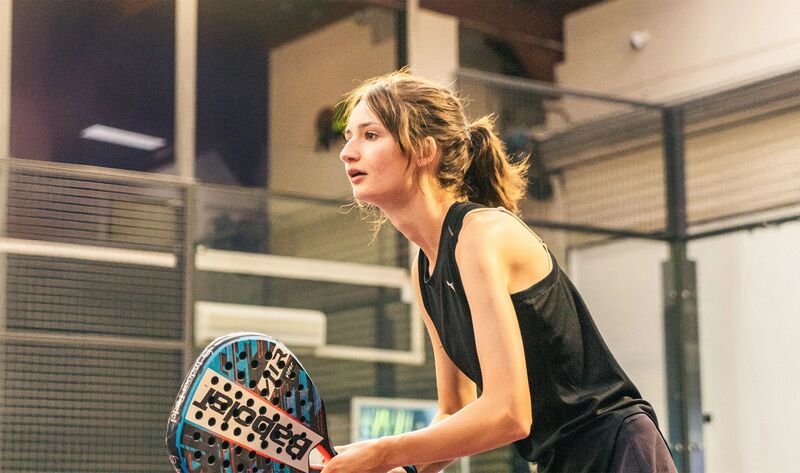
The shorter, perforated rackets are easier for small hands to control than traditional tennis rackets. Children develop proper technique naturally rather than struggling with equipment too large for their frame.
Social Development Through Sport
Padel is always doubles, which forces children to develop teamwork and communication skills. They must work with a partner, strategize together, and support each other through tough points. These collaboration skills transfer directly to school and future work environments.
The sport attracts family participation. Parents, grandparents, and siblings can all play together meaningfully, creating shared family activities that continue as children grow older. Unlike many youth sports where parents are spectators, padel includes the whole family.
Post-match socializing is built into padel culture. Children learn appropriate social interaction, good sportsmanship, and how to win and lose gracefully in a supportive environment.
Physical Benefits
Padel provides excellent all-around fitness without feeling like exercise. Children develop cardiovascular health, hand-eye coordination, agility, and core strength through gameplay rather than drilling.
The sport is low-impact, reducing injury risk compared to contact sports. The court surface and enclosed environment create safer playing conditions than many outdoor activities.
Movement patterns in padel — lateral steps, quick direction changes, reaching for shots — develop functional athleticism that benefits children in all sports and daily activities.
Junior Programs in New Zealand
Auckland
Pacific Padel Albany: Saturday morning junior sessions, equipment provided, experienced junior coaches
Remuera Rackets Club: Structured junior programs with graded levels, professional coaching staff
Browns Bay Padel: Family-friendly sessions, flexible scheduling for busy families
Wellington
Various clubs: Junior programs developing as indoor facilities expand, focus on year-round accessibility
Christchurch
Elmwood Tennis Club: Junior sessions building participation, emphasis on fun and fundamentals
Multiple clubs: Junior programs expanding as court availability increases
Age Groups and Development
Ages 8-10: Foundation Skills
Focus on fun, basic racket skills, and understanding court boundaries. Children learn to rally cooperatively rather than competitively. Shorter sessions (30-45 minutes) maintain attention and prevent fatigue.
Equipment modifications help: lower-compression balls, shorter rackets if needed, and modified court boundaries for smaller children.
Ages 11-13: Skill Building
Introduce tactical concepts, proper positioning, and basic strategy. Children can handle full court dimensions and regular equipment. Competitive elements begin with fun tournaments and challenge matches.
Social skills develop rapidly at this age. Padel's team format teaches collaboration while individual skill development provides personal achievement goals.
Ages 14+: Competitive Development
Teenagers can participate in adult leagues and tournaments with age-appropriate divisions. Many develop serious competitive ambitions and train regularly with adult players.
Advanced tactical understanding, fitness development, and leadership skills emerge. Some teenagers become coaches for younger children, developing teaching and mentorship abilities.
Equipment for Children
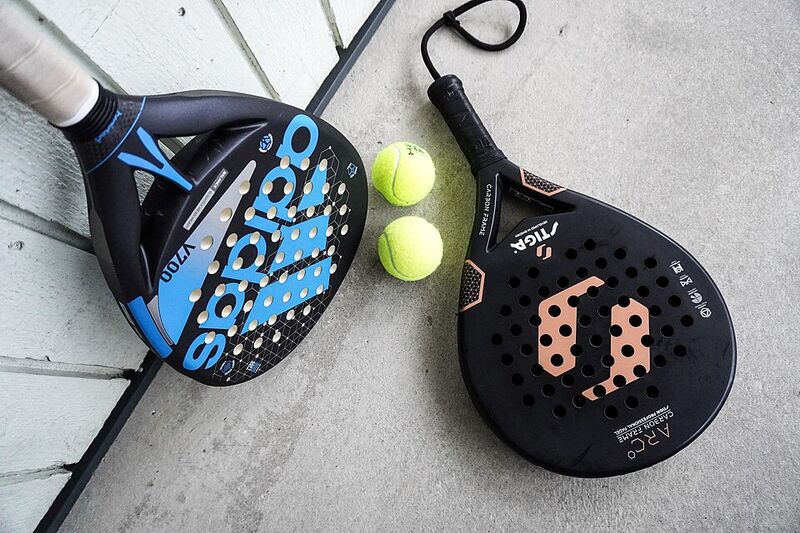
Rackets: Adult rackets work for most children 10+. Younger children benefit from lighter, shorter rackets available from specialist retailers.
Balls: Standard pressure balls work fine. Some programs use lower-compression balls for beginners to slow the game and increase rally length.
Shoes: Court shoes or tennis shoes with non-marking soles. Running shoes don't provide adequate lateral support for padel movement.
Clothing: Any comfortable athletic wear. No special padel clothing required.
Family Participation
One of padel's greatest strengths is multi-generational play. Children can play meaningfully with parents, grandparents, and adult relatives. This creates family bonding opportunities rare in modern sport.
Many families book regular weekly sessions, making padel part of their routine family time. Children look forward to these sessions while adults appreciate the exercise and social connection.
Birthday parties and family events increasingly feature padel sessions. The sport accommodates mixed ages and abilities better than most activities.
School and Club Programs
Schools are beginning to recognize padel's educational value. The sport develops physical literacy, teamwork, strategic thinking, and social skills within a single activity.
Several New Zealand schools have added padel to their sports programs, either on-site or through partnerships with local clubs. The compact court size makes school integration more feasible than tennis.
After-school programs increasingly include padel as an option that appeals to children who don't enjoy traditional team sports but want physical activity with social elements.
Competitive Pathways
New Zealand is developing junior competitive structures as participation grows. Regional tournaments provide stepping stones to national competition for serious young players.
International opportunities exist for exceptional juniors. Argentina, Spain, and other padel strongholds welcome young players for training camps and tournaments.
Unlike many sports where elite pathways require early specialization, padel allows children to develop naturally while maintaining enjoyment and social connections.
Academic Benefits
Regular padel participation correlates with improved academic performance in several ways:
Concentration: The sport requires constant focus and quick decision-making, skills that transfer to classroom learning.
Stress management: Physical exercise and social interaction provide healthy outlets for academic pressure.
Time management: Children who play regularly learn to balance sports commitments with schoolwork effectively.
Overcoming Common Concerns
"My child isn't athletic": Padel's accessibility makes it perfect for children who struggle with traditional sports. Success comes quickly, building confidence.
"Too expensive": Court costs split four ways are reasonable. Equipment rental is available. Many clubs offer family packages and junior discounts.
"No facilities nearby": Padel is expanding rapidly. Check with local tennis clubs — many are adding padel courts.
"Safety concerns": Padel has excellent safety records. The enclosed court and low-impact nature reduce injury risk significantly.
Getting Started
For parents considering padel for their children:
- Contact your nearest club about junior programs
- Attend a family session to try the sport together
- Start with group sessions rather than individual coaching
- Focus on fun rather than immediate skill development
- Join club WhatsApp groups to connect with other families
The investment in children's padel pays dividends in fitness, social skills, family bonding, and pure enjoyment. As the sport grows in New Zealand, children who start now will be part of padel's foundation generation in this country.
Last reviewed: March 2026