Forget expensive gym memberships and boring treadmill sessions. Padel delivers a complete workout disguised as fun. An hour on court burns 400-600 calories, strengthens your core, improves coordination, and provides genuine social connection. Here's why doctors are recommending padel to patients.
Cardiovascular Fitness Without the Grind
Padel is interval training in disguise. You'll spend 20-30 seconds in intense rally exchanges followed by brief recovery periods between points. This natural interval pattern is exactly what fitness experts recommend for cardiovascular health.
Research from the University of Valencia found that regular padel players improve their VO2 max (aerobic capacity) by 15-20% within six months. That's comparable to structured running programs but significantly more enjoyable for most people.
The constant movement — lateral steps, quick direction changes, reaching for shots — elevates your heart rate to the optimal training zone (70-85% of maximum) without feeling like exercise. You're too focused on the next shot to notice you're getting fitter.
Low Impact, High Benefit
Unlike running or high-impact aerobics, padel is gentler on joints while still providing excellent conditioning. The court surface is typically synthetic grass or artificial turf, which offers cushioning that concrete or asphalt courts can't match.
This makes padel particularly valuable for people over 40, those recovering from injuries, or anyone seeking fitness without joint stress. You can play padel into your 70s and beyond — something that's much harder with higher-impact sports.
Physiotherapists increasingly recommend padel for patients with mild knee or hip issues who need to maintain fitness while protecting vulnerable joints.
Strength and Coordination
Padel develops functional strength — the kind you actually use in daily life. The rotational movements required for shots strengthen your core, while the constant position adjustments build leg and glute strength.
Your reaction times improve significantly. Having to respond to balls coming off walls at unexpected angles sharpens reflexes and hand-eye coordination. This cognitive-physical connection is particularly beneficial as we age, helping maintain neural pathways that keep us sharp.
Balance improves naturally through the sport's demands. You're constantly adjusting your position, often while moving backwards or sideways to play shots. This builds the proprioceptive awareness that prevents falls and injuries in daily life.
Mental Health Benefits
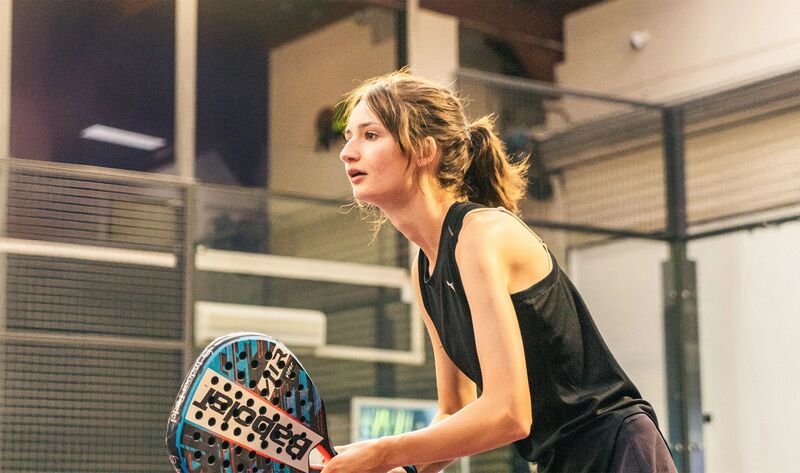
The mental health benefits of padel extend far beyond the endorphin rush from physical exercise. The sport requires constant tactical thinking — where to place shots, how to position yourself, reading your opponent's intentions. This mental engagement provides a complete break from daily stresses.
Many players describe padel as "active meditation." You're completely present, focused on the immediate moment, unable to worry about work deadlines or personal problems. This mindfulness aspect is therapeutic.
The social component amplifies mental health benefits. Depression and anxiety often involve isolation. Padel forces social interaction in a positive, shared-goal environment. You're working with a partner, interacting with opponents, and usually socialising after matches.
Social Connection in an Isolated World
Loneliness is a public health crisis, particularly post-COVID. Traditional exercise — gym workouts, running, cycling — can be solitary activities. Padel is inherently social. You need three other people every time you play.
The doubles format creates immediate teamwork. You're encouraged to communicate with your partner, celebrate good shots together, and support each other through tough points. These micro-interactions build genuine friendships.
Most padel clubs develop strong communities. Regular players know each other, arrange social games, and often extend relationships beyond the court. This social infrastructure is particularly valuable for people new to an area or looking to expand their social circle.
Cognitive Benefits
Padel is chess played at speed. You're constantly processing information — ball speed, spin, your partner's position, opponents' weaknesses, wall angles. This cognitive load provides excellent brain exercise.
Studies on racket sports show improvements in executive function, working memory, and processing speed. The requirement to make quick decisions under pressure translates to better cognitive performance in daily life.
For older adults, this cognitive stimulation combined with physical exercise provides powerful protection against cognitive decline. The social element adds another layer of brain-protective benefit.
Accessible Fitness for All Ages
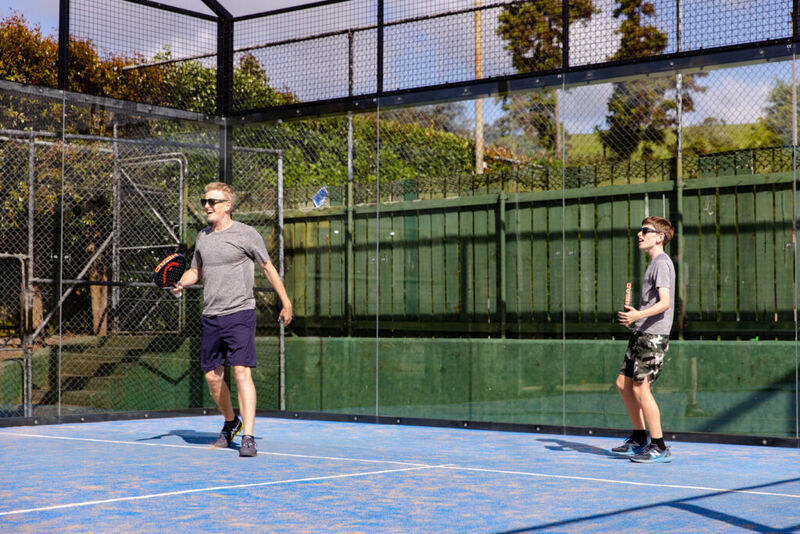
One of padel's greatest strengths is its accessibility across age groups. Children as young as 8 can play successfully with adults, while players in their 80s remain competitive in age-appropriate leagues.
The underhand serve eliminates the shoulder stress that makes tennis difficult for many older players. The shorter court means less running, making the game manageable for people with limited mobility while still providing excellent exercise.
Family members of different ages and fitness levels can play together meaningfully. This is rare in sport and creates opportunities for shared family fitness activities.
Consistency Beats Intensity
The key to fitness is consistency, and padel's enjoyment factor promotes regular play. Players typically book weekly sessions and stick to them because they're fun, not because they feel obligated to exercise.
This consistency delivers better long-term health outcomes than sporadic intense exercise. Regular padel players report improved sleep, better stress management, and higher energy levels in daily life.
Unlike gym memberships that often go unused after the initial enthusiasm wears off, padel players typically increase their playing frequency over time as they improve and become more social with other players.
The Complete Package
Padel doesn't just tick one fitness box — it delivers cardiovascular health, strength, coordination, mental stimulation, and social connection simultaneously. This combination is rare in exercise and explains why so many players describe padel as "addictive."
For New Zealanders seeking a sustainable, enjoyable approach to fitness that fits into busy schedules while providing genuine social connection, padel offers a compelling solution. The health benefits are just a bonus — the fun is the real reason people keep coming back.
Last reviewed: March 2026