In 1969, Enrique Corcuera built what he called a "paddle tennis court" at his holiday home in Mexico. He had no idea he was creating what would become the fastest growing sport in the world.
Fifty-seven years later, padel has exploded to over 30 million players across 110 countries. No sport in modern history has grown this fast, and the numbers keep climbing.
The Numbers Tell the Story
Spain: From 80,000 players in 2005 to 6 million in 2025. That's 7,400% growth in two decades.
Argentina: 4.5 million players and still the spiritual home of padel, where the sport evolved from Corcuera's original concept.
Sweden: 500,000 players despite having roughly half the population of London. Padel has become Sweden's second most popular racket sport after tennis.
Italy: From virtually zero courts in 2018 to over 8,000 courts and 2 million players today.
United Kingdom: 180,000 players and 600+ courts, with new venues opening monthly.
The International Padel Federation now recognises 110 member countries. Even traditionally conservative sporting nations like Germany, France, and the Netherlands are seeing explosive growth.
What Makes Padel Different
Other sports have had growth spurts. What makes padel unique is the consistency across completely different cultures and markets.
Accessibility: You don't need years of training to enjoy padel. The underhand serve means beginners can rally on their first attempt. Compare this to tennis, where many people struggle to serve consistently even after months of practice.
Social by design: Padel is always doubles. You need four people, which forces social interaction. Post-match drinks aren't an afterthought — they're built into the experience.
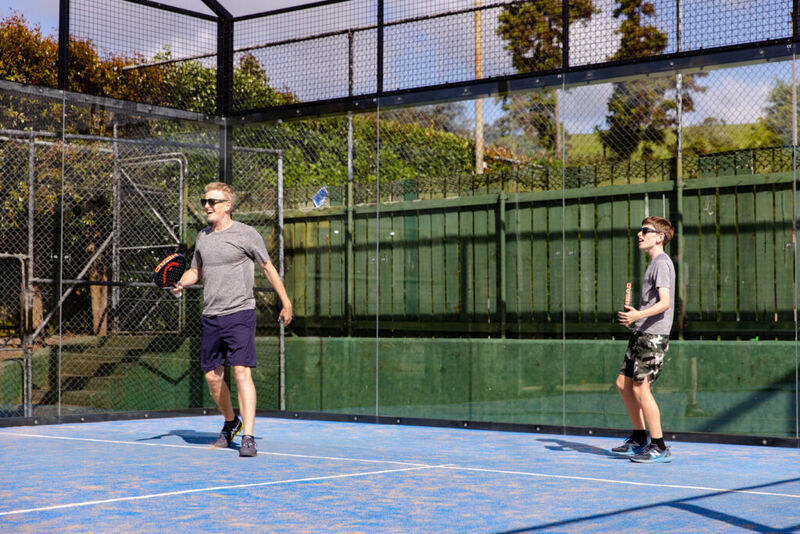
Less intimidating courts: The enclosed court feels safer and more contained than a massive tennis court. Beginners don't feel exposed when learning.
Forgiving learning curve: The walls help keep rallies alive longer, creating more "success moments" for new players. This psychological aspect is crucial for retention.
The Business Case
From a venue perspective, padel makes perfect economic sense. Courts are smaller than tennis courts, so you can fit more of them in the same space. They're also enclosed, allowing year-round play regardless of weather.
Construction costs are lower than building traditional tennis facilities, and the booking model — hourly court hire rather than membership — provides predictable revenue streams.
In markets like Spain and Argentina, padel courts have higher utilisation rates than tennis courts because they're weather-proof and don't require perfect conditions to enjoy playing.
Celebrity Endorsement
Football stars like Lionel Messi, Zlatan Ibrahimović, and David Beckham don't just play padel — they invest in it. Their involvement brings mainstream credibility and introduces the sport to audiences who would never pick up a tennis racket.
When Messi posts videos of his padel matches to 500 million Instagram followers, that's marketing money can't buy.
The Technology Factor
Modern padel benefits from smartphone booking apps, LED lighting for night play, and synthetic court surfaces that require minimal maintenance. These innovations weren't available when tennis was establishing itself globally.
Venues can track utilisation in real-time, adjust pricing dynamically, and build communities through app-based features. This data-driven approach accelerates growth in ways impossible for sports that developed pre-digital.
New Zealand's Place in the Story
New Zealand sits at the beginning of its padel journey. With roughly 20 courts nationwide and growing interest, we're following the same trajectory that Sweden, Italy, and other markets experienced 5-10 years ago.
The pattern is consistent: a few early adopters build courts, word spreads through social networks, demand outpaces supply, and suddenly padel becomes mainstream. New Zealand is currently transitioning from the first stage to the second.
What's Next
Industry analysts predict padel will reach 50 million players by 2030. The sport is expanding into Asia, Africa, and North America — markets with massive populations and growing disposable income.
Professional padel is also maturing. The World Padel Tour attracts millions of viewers globally, and there's talk of padel being included in the Olympics by 2032.
But the real growth driver isn't professional sport or celebrity endorsements. It's the simple fact that padel is genuinely fun to play. Once someone tries it, they usually come back. That's how you build the fastest growing sport in the world.
Last reviewed: March 2026