.jpg)
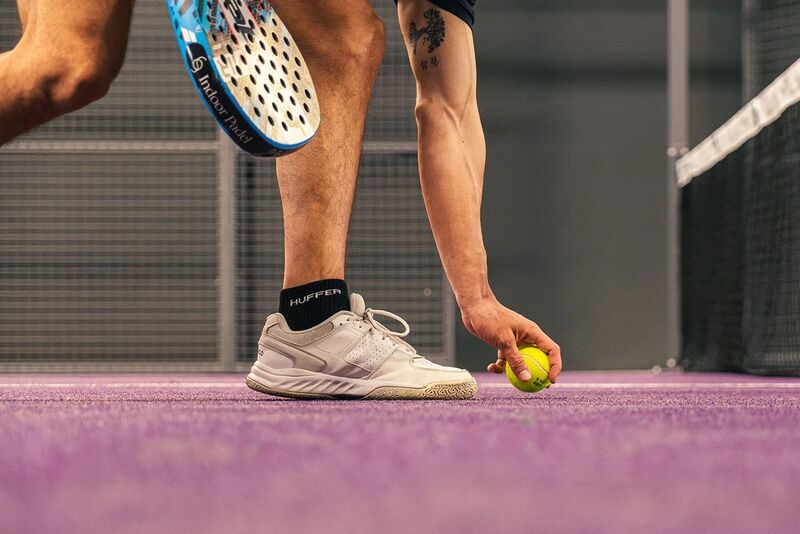
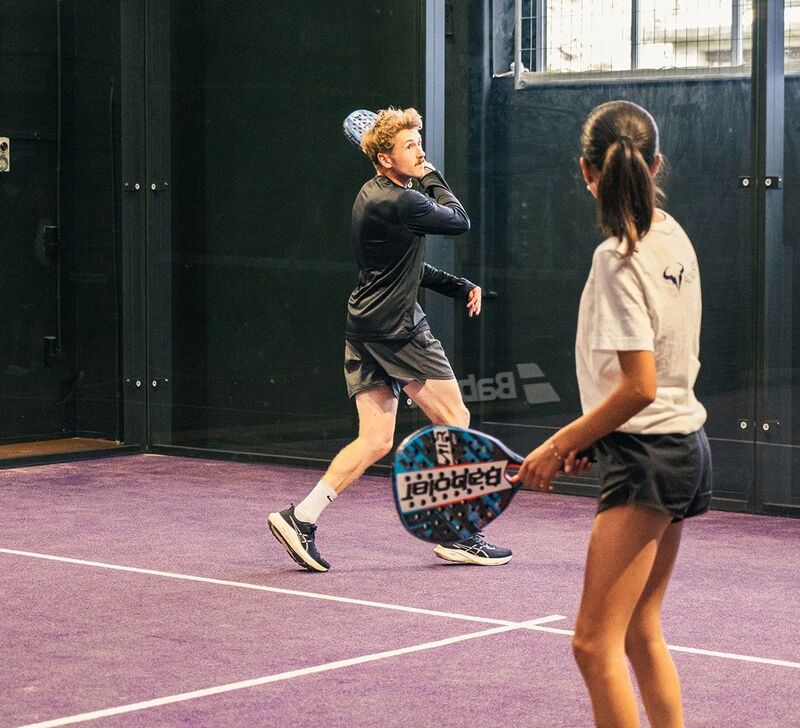
New Zealand sits at the beginning of a padel boom. While other markets have seen explosive growth and strong returns for early investors, New Zealand offers ground-floor opportunities in an underserved market. Here's the business case for padel investment in New Zealand.
Market Opportunity
Massive Unmet Demand
New Zealand has approximately 20 padel courts for a population of 5.2 million. Spain has 15,000 courts for 48 million people. Even adjusting for climate and population density, New Zealand is dramatically underserved.
Auckland, with 1.7 million people, has 9 courts. By comparison, a similar-sized Spanish city would have 200+ courts. The mathematical opportunity is enormous.
Current venues report utilisation rates of 80-90% during peak times, with waiting lists common. This indicates immediate opportunity for additional capacity.
Proven Growth Patterns
Padel follows predictable growth patterns across markets:
- Phase 1: Early adopters, limited courts, high utilisation
- Phase 2: Rapid expansion, mainstream adoption, investment influx
- Phase 3: Market maturation, professionalization, stable returns
New Zealand is transitioning from Phase 1 to Phase 2 — historically the most profitable period for new investors.
Revenue Model Analysis
Court Hire Revenue
Peak hours (6-8pm weekdays): $60-70/hour per court
Off-peak weekdays: $40-55/hour per court
Weekend rates: $50-65/hour per court
Revenue potential per court:
Conservative: $80,000-100,000 annually
Optimistic: $120,000-150,000 annually
These figures assume 70% utilisation across all time slots. Successful venues often achieve higher utilisation.
Additional Revenue Streams
Equipment hire: $5-10 per racket, minimal overhead
Coaching services: $50-80 per hour, high margin
Tournament hosting: Entry fees plus hospitality
Pro shop sales: Rackets, balls, apparel
Food and beverage: Significant potential if licensed
Construction and Setup Costs
Basic Court Construction
Outdoor courts: $180,000-250,000 per court
Indoor courts: $220,000-300,000 per court
Costs vary significantly based on site preparation, utilities, and finishing quality. These estimates include:
- Court surface and markings
- Glass walls and mesh fencing
- Basic lighting
- Safety installations
Additional Infrastructure
Reception/clubhouse: $150,000-400,000
Changing rooms: $50,000-100,000
Parking and access: $30,000-80,000
Professional lighting: $40,000-60,000 per court
Total Investment (4-court facility)
Conservative estimate: $1.2-1.8 million
High-end facility: $2.0-3.0 million
ROI Analysis
Scenario 1: Conservative
Investment: $1.5 million (4 courts)
Annual revenue: $400,000
Operating expenses: $180,000
Net profit: $220,000
ROI: 14.7%
Payback period: 6.8 years
Scenario 2: Optimistic
Investment: $1.5 million (4 courts)
Annual revenue: $550,000
Operating expenses: $220,000
Net profit: $330,000
ROI: 22%
Payback period: 4.5 years
Operational Advantages
Predictable Revenue
Unlike membership-based facilities, padel courts generate revenue every hour they're booked. This creates predictable cash flow and easier financial planning.
Digital booking platforms provide real-time utilisation data, enabling dynamic pricing and revenue optimization.
Lower Staffing Requirements
Padel facilities require minimal staffing compared to full-service fitness centers or golf courses. Basic operations can run with part-time reception staff and occasional maintenance.
Weather Independence
Indoor courts enable year-round consistent revenue, eliminating seasonal fluctuations that affect many recreational businesses.
Location Strategy
Primary Markets
Auckland expansion: Eastern suburbs, Central Auckland, North Shore gaps
Wellington development: Capitalize on professional workforce
Christchurch growth: Limited competition, established tennis club partnerships
Secondary Markets
Hamilton: Large population, no current facilities
Tauranga: Affluent population, leisure lifestyle
Dunedin: University town, sports culture
Site Requirements
Minimum land: 0.3-0.5 hectares for 4-court facility
Zoning: Commercial or mixed-use preferred
Access: Major road frontage, adequate parking
Utilities: Three-phase power, water, sewerage
Competitive Landscape
Current Players
New Zealand's padel market remains fragmented with small operators and tennis club conversions. No dominant national chain exists, creating opportunity for ambitious expansion.
Most existing facilities are owner-operated rather than professionally managed, indicating potential for operational improvements and higher returns.
Barriers to Entry
Capital requirements: Significant but not prohibitive
Land availability: Limited in prime Auckland locations
Regulatory: Standard commercial development processes
Expertise: Limited local padel construction knowledge
Risk Factors
Market Risk
Padel could follow other sports fads and decline in popularity. However, global trends and 50+ years of continuous growth suggest sustainable appeal.
Competition Risk
New entrants could oversaturate markets quickly. First-mover advantages in prime locations provide some protection.
Operational Risk
Poor management or inappropriate location selection could severely impact returns. Due diligence and experienced operators are crucial.
Success Factors
Location Excellence
Prime locations with good access and parking command premium pricing and achieve higher utilisation. Location quality matters more than cost savings.
Community Building
Successful facilities focus on building communities, not just renting courts. Social events, leagues, and coaching programs drive retention and word-of-mouth marketing.
Professional Management
Venues run as professional businesses outperform hobby operations significantly. Investment in systems, marketing, and customer service pays dividends.
Financing Options
Traditional Banking
Banks increasingly understand padel's business model and growth prospects. Commercial property loans with sports facility experience are available.
Partnership Structures
Partnerships with tennis clubs, sports centers, or property developers can provide land access and operational synergies.
Government Support
Regional development funds and sports infrastructure grants may support facilities in smaller centers.
Implementation Timeline
Months 1-3: Site selection, due diligence, planning applications
Months 4-6: Financing, detailed design, consent processes
Months 7-12: Construction phase
Month 13: Opening and marketing launch
Months 14-18: Community building and utilisation growth
The Verdict
Padel represents a rare combination of proven international success, strong unit economics, and underserved New Zealand markets. The business opportunity is compelling for investors with appropriate capital and commitment to operational excellence.
The key is moving quickly while prime locations remain available and before competition intensifies. New Zealand's padel boom is beginning — the question is whether you'll be part of it.
Last reviewed: March 2026