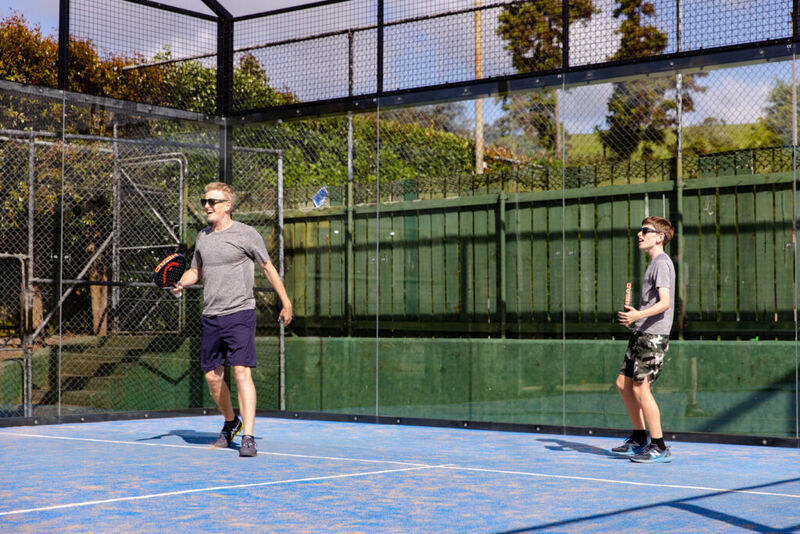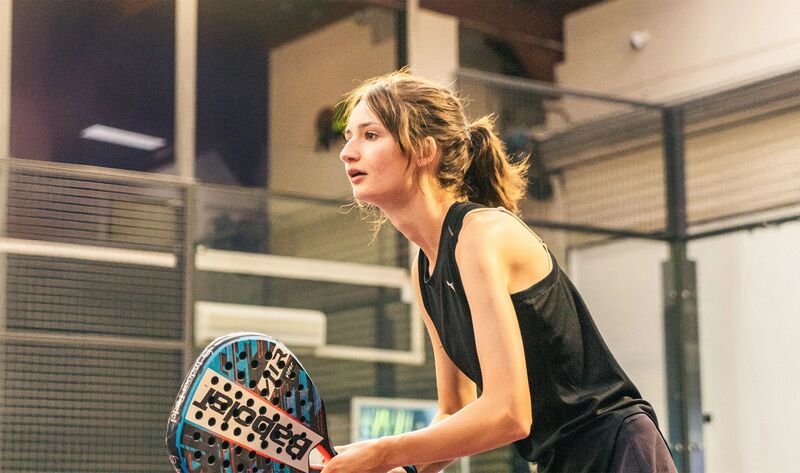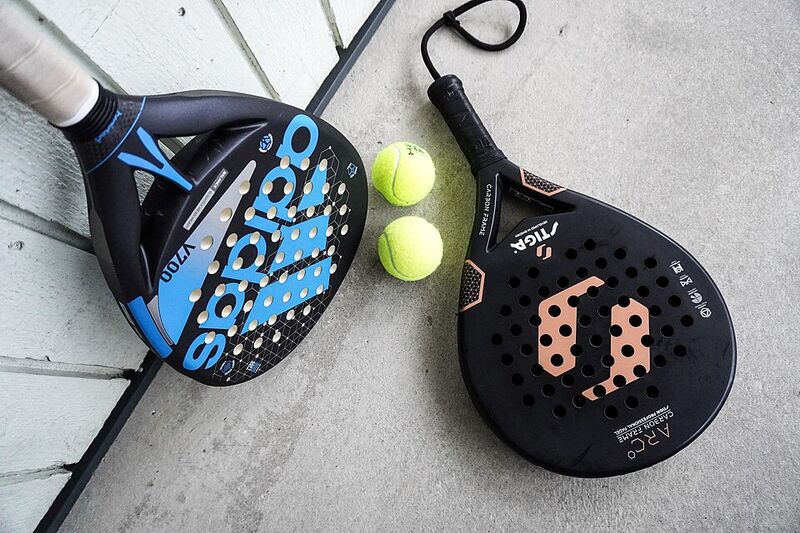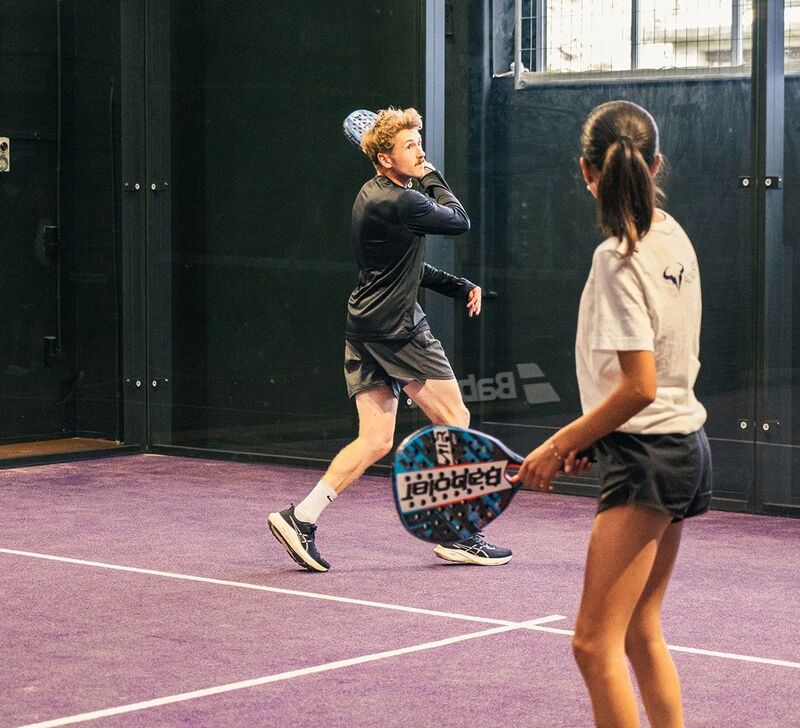
New Zealand padel stands at a tipping point. From 20 courts today to projected 200+ courts by 2030, the sport is transitioning from niche curiosity to mainstream recreation. Here's where we are, where we're headed, and what it means for players, investors, and communities across New Zealand.
Current State: March 2026
Infrastructure Snapshot
Total courts: Approximately 22 courts nationwide
Auckland: 9 courts across 5 venues
Wellington: 4 courts at 2 facilities
Christchurch: 4 courts at 3 clubs
Other regions: 5 courts scattered across Hamilton, Tauranga, Dunedin
Player base: Estimated 2,500-3,000 regular players
Growth rate: 180% year-on-year for the past 24 months
Utilisation: 80-90% at peak times in major centers
Market Characteristics
New Zealand padel exhibits classic early-stage market characteristics: high enthusiasm among participants, supply constraints during peak demand, and rapid word-of-mouth growth. The sport has moved beyond the curiosity phase into genuine adoption.
Demographics show strong representation across ages 25-65, with slightly higher female participation than most racket sports. Socioeconomic profiles skew middle to upper-middle class, reflecting both court costs and social network effects.
Growth Drivers
International Influence
Global padel's mainstream success, particularly in Europe and Argentina, provides proven blueprints for New Zealand development. International players relocating to New Zealand bring expertise and enthusiasm that accelerates local growth.
Celebrity endorsements and professional tour coverage expose New Zealanders to high-level padel, creating aspirational appeal that drives trial and adoption.
Social Media and Digital Discovery
TikTok and Instagram content featuring padel generates significant interest among younger demographics. Video content showcasing the sport's accessibility and social elements proves particularly effective at driving trial.
Digital booking platforms like Playtomic reduce friction for court access, enabling easier trial and regular participation.
Tennis Club Integration
Established tennis clubs adding padel courts provide immediate infrastructure and member bases. This integration model accelerates facility development while leveraging existing expertise in racket sports management.
Post-COVID Social Appetite
The pandemic created pent-up demand for social activities that combine fitness with genuine human connection. Padel's inherently social format appeals to this market need more than solitary fitness options.
Projected Growth Scenarios
Conservative Projection (2026-2030)
Courts: 80-120 courts by 2030
Players: 15,000-20,000 regular participants
Geography: Expansion to 15+ population centers
Investment: $25-40 million in facility development
This scenario assumes steady but measured growth, limited by conservative investment attitudes and regulatory challenges in some regions.
Moderate Projection (2026-2030)
Courts: 150-200 courts by 2030
Players: 30,000-40,000 regular participants
Geography: Presence in 20+ centers including smaller towns
Investment: $60-80 million in facility development
This reflects continued strong growth driven by successful early venues and increasing investor confidence.
Optimistic Projection (2026-2030)
Courts: 250+ courts by 2030
Players: 50,000+ regular participants
Geography: National coverage including regional centers
Investment: $100+ million in facility development
This scenario assumes padel achieves true mainstream adoption with corporate investment, franchise development, and integration into school sports programs.
Regional Development Patterns
Auckland: Continued Expansion
Auckland will likely maintain its position as New Zealand's padel capital, with projected growth to 25-40 courts by 2030. Development will focus on underserved areas: eastern suburbs, central Auckland, and southern areas.
Indoor facilities become crucial for year-round play and premium positioning. Competition for prime sites intensifies as the market matures.
Wellington: Professional Market
Wellington's professional workforce and compact geography favor padel expansion. Indoor facilities targeting lunchtime and after-work play show strong potential.
Government sector interest could drive corporate programs and facility development in the capital region.
Christchurch: Emerging Hub
Christchurch positions itself as the South Island padel center. The city's rebuild culture and available land create opportunities for purpose-built facilities.
University partnerships and youth programs could accelerate adoption among younger demographics.
Secondary Cities: First-Mover Advantages
Hamilton, Tauranga, Dunedin, and Palmerston North offer first-mover advantages for early investors. These markets show strong potential for 4-8 court facilities serving regional populations.
Smaller centers (Nelson, Rotorua, New Plymouth) become viable as the sport's profile rises and construction costs decrease through economies of scale.
Infrastructure Evolution
Indoor vs Outdoor
New Zealand's variable weather drives preference for covered courts. Indoor facilities command premium pricing and achieve higher utilisation rates, justifying increased construction costs.
Hybrid models — covered but open-sided courts — provide weather protection while reducing construction costs.
Multi-Court Complexes
Single-court facilities struggle with economic viability. The trend moves toward 4-8 court complexes that support community building and operational efficiency.
Integrated facilities combining padel with fitness centers, cafes, or other recreational activities show promise for improving unit economics.
Technology Integration
Smart booking systems, LED lighting, and court monitoring technology become standard. These innovations improve customer experience and operational efficiency.
Live streaming capabilities for tournaments and coaching analysis tools attract serious players and enhance venue positioning.
Competitive Landscape Evolution
Professional Development
New Zealand develops structured competitive pathways from beginner leagues through national tournaments. Regular international exchanges with Australia, Argentina, and Europe provide development opportunities for elite players.
Professional coaching certification programs ensure quality instruction and support industry growth.
Youth Programs
School adoption accelerates as equipment costs decrease and facility access improves. Modified court formats enable school installation at lower cost than full-size courts.
Youth tournament structures provide development pathways that retain talented young players and build long-term participation.
Economic Impact
Direct Investment
Facility development generates substantial construction activity and ongoing operational employment. Supporting services — equipment retail, coaching, tournament organization — create additional economic activity.
Tourism Potential
Padel tourism develops as New Zealand hosts international tournaments and attracts players seeking high-quality facilities in attractive locations.
Corporate retreat and team-building markets provide additional revenue streams for facilities with conference capabilities.
Property Values
Quality padel facilities enhance local amenities and potentially influence residential property values, particularly in lifestyle-focused areas.
Challenges and Risk Factors
Supply Chain Constraints
Limited local expertise in padel court construction could slow expansion and increase costs. Import dependence for specialized equipment creates vulnerability to supply disruptions.
Regulatory Hurdles
Resource consent processes and building regulations designed for other sports may create delays for padel development. Noise concerns from neighboring properties require careful facility design and community engagement.
Market Saturation Risk
Rapid expansion could outpace demand in smaller markets, leading to facility failures that damage overall industry confidence.
Economic Sensitivity
Padel's demographic appeal to middle-class professionals makes it vulnerable to economic downturns that reduce discretionary spending on recreation.
Technology and Innovation Trends
Virtual and Augmented Reality
VR training systems enable technique development and tactical learning off-court. AR applications could enhance live viewing experiences at tournaments.
Performance Analytics
Sensor technology tracking ball speed, spin, and player movement patterns appeals to serious players seeking performance improvement.
Community Platforms
Digital platforms connecting players, organizing tournaments, and facilitating coaching expand beyond simple court booking to comprehensive community management.
International Connections
Australian Synergies
Trans-Tasman padel exchanges, joint tournaments, and shared development initiatives leverage geographic proximity and similar market characteristics.
Argentine Expertise
Coaching exchanges and technical partnerships with Argentine organizations provide access to world-class padel knowledge and methodology.
European Innovation
Technology partnerships and facility design collaboration with European leaders accelerate New Zealand development and avoid reinventing solutions.
Social and Cultural Impact
Community Building
Padel facilities become social hubs that strengthen community connections, particularly valuable in increasingly fragmented urban environments.
Inclusive Sport
The sport's accessibility across ages and abilities provides inclusive recreation options for diverse communities, supporting public health and social cohesion objectives.
Gender Equity
Strong female participation and mixed-gender play advance sport equity goals while providing positive role models for young athletes.
Success Factors for Sustained Growth
Quality First
Maintaining high standards for facilities, coaching, and customer experience ensures positive first impressions that drive word-of-mouth growth.
Community Focus
Venues that prioritize community building over pure profit create sustainable participation and advocacy that supports long-term success.
Professional Management
As the industry matures, professional management practices become crucial for operational efficiency and customer satisfaction.
The Road Ahead
New Zealand padel enters 2026 with strong foundations and multiple growth catalysts. The sport has proven its appeal locally and demonstrated sustainable business models for facility operators.
The next four years will determine whether padel becomes a mainstream New Zealand sport or remains a niche activity. Current trends suggest mainstream adoption is likely, with the primary variables being growth pace and geographic spread rather than overall success.
For players, investors, and communities considering padel involvement, 2026 represents an optimal entry point — late enough to learn from early experience but early enough to capture significant growth opportunities.
New Zealand padel's future looks bright. The question isn't whether the sport will grow, but how quickly and how far that growth will extend across the country.
Last reviewed: March 2026