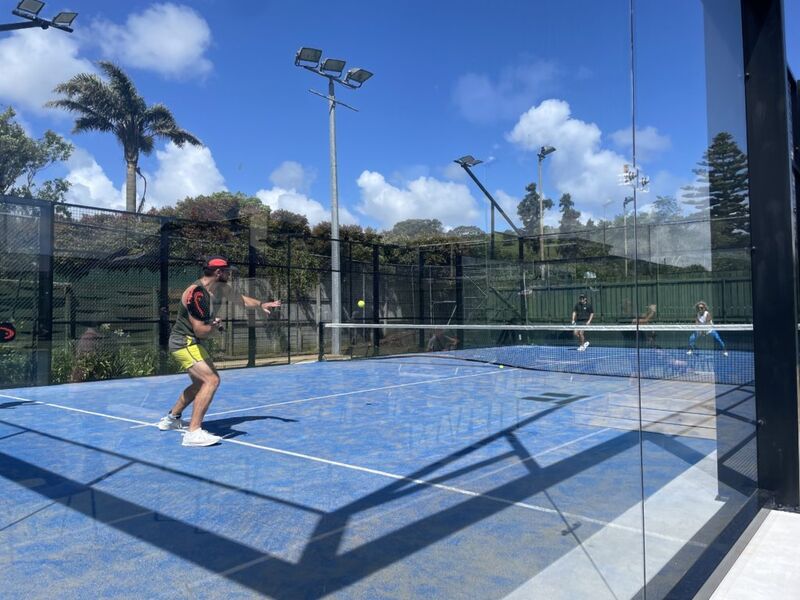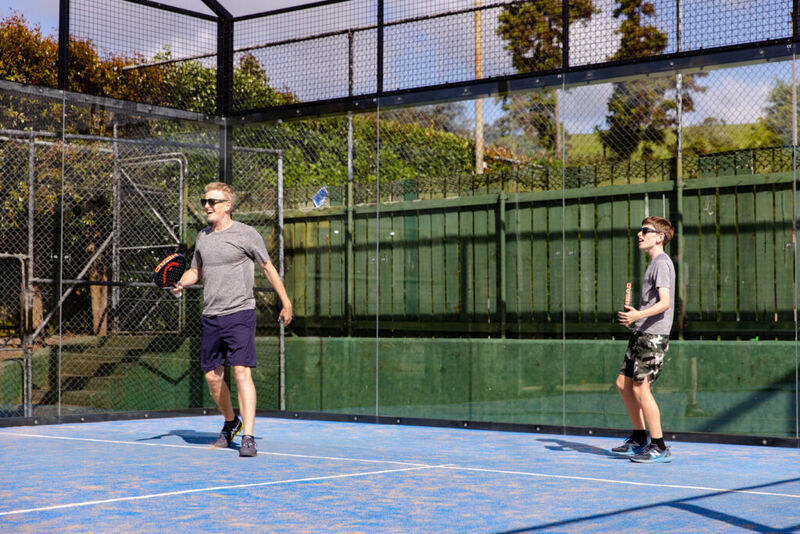
Three years ago, you could count New Zealand's padel courts on zero hands. The sport simply didn't exist here. Today, there are 28 courts spread across 10 clubs in 6 regions, and the growth shows no signs of slowing down.
Padel's arrival in New Zealand follows a pattern seen across the world. A few enthusiasts discover the sport overseas, come home wanting to play, and realise there's nowhere to do it. So they build their own courts.
Auckland Leads the Way
Auckland was the natural starting point. Five of New Zealand's nine padel clubs are in the city, collectively operating nine courts. Pacific Padel in Albany was among the first, opening four outdoor courts and quickly building a competitive community around them.
Remuera Rackets Club added padel to their existing tennis and squash facilities, bringing the sport to a membership base already familiar with racket sports. The Browns Bay club went a step further, opening courts with extended hours to meet demand from players who couldn't get court time during peak evening slots.
Beyond Auckland
The spread beyond Auckland tells the story of a sport finding its footing nationwide. Wellington's Padel House NZ addressed the capital's biggest sporting challenge — the wind — by building four indoor courts in Kilbirnie. Three doubles courts and one singles court mean there's always a game to be had regardless of the weather outside.
Papamoa Padel Club brought four courts to the Bay of Plenty, building a community through WhatsApp groups organised by playing level. The Nelson region got Padel Centre in Richmond, with three courts operating from 5am to 11pm. And the Waikato joined with courts serving the Hamilton area.
Why Padel?
The appeal isn't hard to understand. Padel is easier to pick up than tennis — the underhand serve, enclosed court, and smaller playing area mean beginners can have competitive rallies within their first session. It's always played in doubles, which makes it inherently social. And the tactical depth of wall play keeps experienced players engaged for years.
The demographics skew broad. Unlike some sports that attract a narrow age range, padel clubs report members from teenagers to retirees playing together. The physical demands are real but manageable — constant movement in a compact space provides excellent exercise without the joint stress of sports played on larger courts.
The Australia Factor
Across the Tasman, Australia's padel scene has exploded to over 100 courts. That growth has accelerated interest in New Zealand through several channels: Kiwis living in Australia discover padel and bring enthusiasm home, Australian padel businesses eye New Zealand as a natural expansion market, and the trans-Tasman sporting rivalry creates its own momentum.
What's Next
The trajectory suggests New Zealand's court count will continue climbing. Several regions currently without padel facilities have expressed interest in hosting clubs. The economics work — padel courts require significantly less space than tennis courts, making them viable in urban areas where real estate is at a premium.
The challenge remains awareness. Most New Zealanders still haven't heard of padel, let alone played it. But that's changing. Every new club opening, every social media post from a first-time player, every friend dragged along to try it — they all contribute to the sport's growing footprint in Aotearoa.
From zero to 23 courts in three years. The next three could be even bigger.