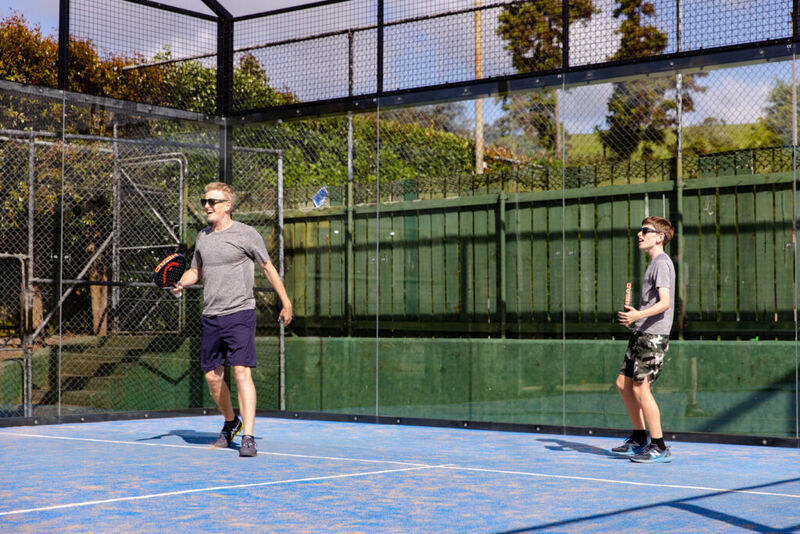
Australia's padel scene has gone from niche curiosity to genuine sporting phenomenon in under five years. Over 100 courts are now operational across the country, with major venues in Sydney, Melbourne, Brisbane, and Perth. For New Zealand, watching what's happening across the Tasman isn't just interesting — it's a preview of what could happen here.
The Scale of Australia's Growth
The numbers tell a compelling story. Australia went from a handful of courts in 2021 to over 100 by early 2026. Major investment has flowed into purpose-built padel centres, with some venues operating eight or more courts. The Australian Padel League launched with eight teams, giving the sport a structured competitive framework.
Corporate interest has followed. Sponsorship deals, media coverage, and professional coaching pathways have all emerged as the player base expanded. Some Australian padel venues now operate at capacity during peak hours, with waiting lists for memberships.
What This Means for NZ
Several factors make Australia's boom directly relevant to New Zealand:
Returning Kiwis. Hundreds of thousands of New Zealanders live in Australia. As padel becomes mainstream there, more of them discover the sport and bring that enthusiasm home when they visit or return permanently.
Business models. Australian padel businesses have tested and refined the economics of operating padel facilities. Court design, pricing strategies, membership models, and event formats that work in Australia can be adapted for the NZ market.
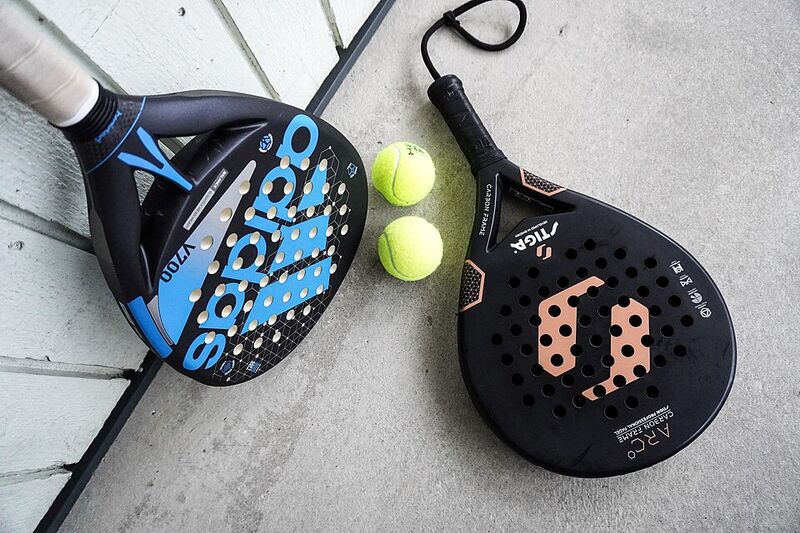
Equipment access. Australia's growing market means better access to padel gear in the Oceania region. Tennis Warehouse Australia now stocks a meaningful padel range, and shipping to NZ is fast and affordable.
Could NZ Follow the Same Path?
New Zealand's market is obviously smaller, but the per-capita potential is similar. Kiwis share Australia's appetite for active social sports. The climate in much of New Zealand suits outdoor courts for most of the year, and indoor venues solve the problem for windier or wetter regions.
The biggest variable is investment. Building padel courts requires capital, and the business case depends on achieving consistent utilisation. Australia's example proves the demand exists — the question for New Zealand is whether enough investors and operators are willing to bet on that demand materialising here.
With 9 clubs already operating and growing, the early evidence suggests they should.